2026 · Author
RAG Eval Harness
An evaluation harness that turns "the demo looked good" into a merge gate — golden answers, faithfulness scoring, and regression history.
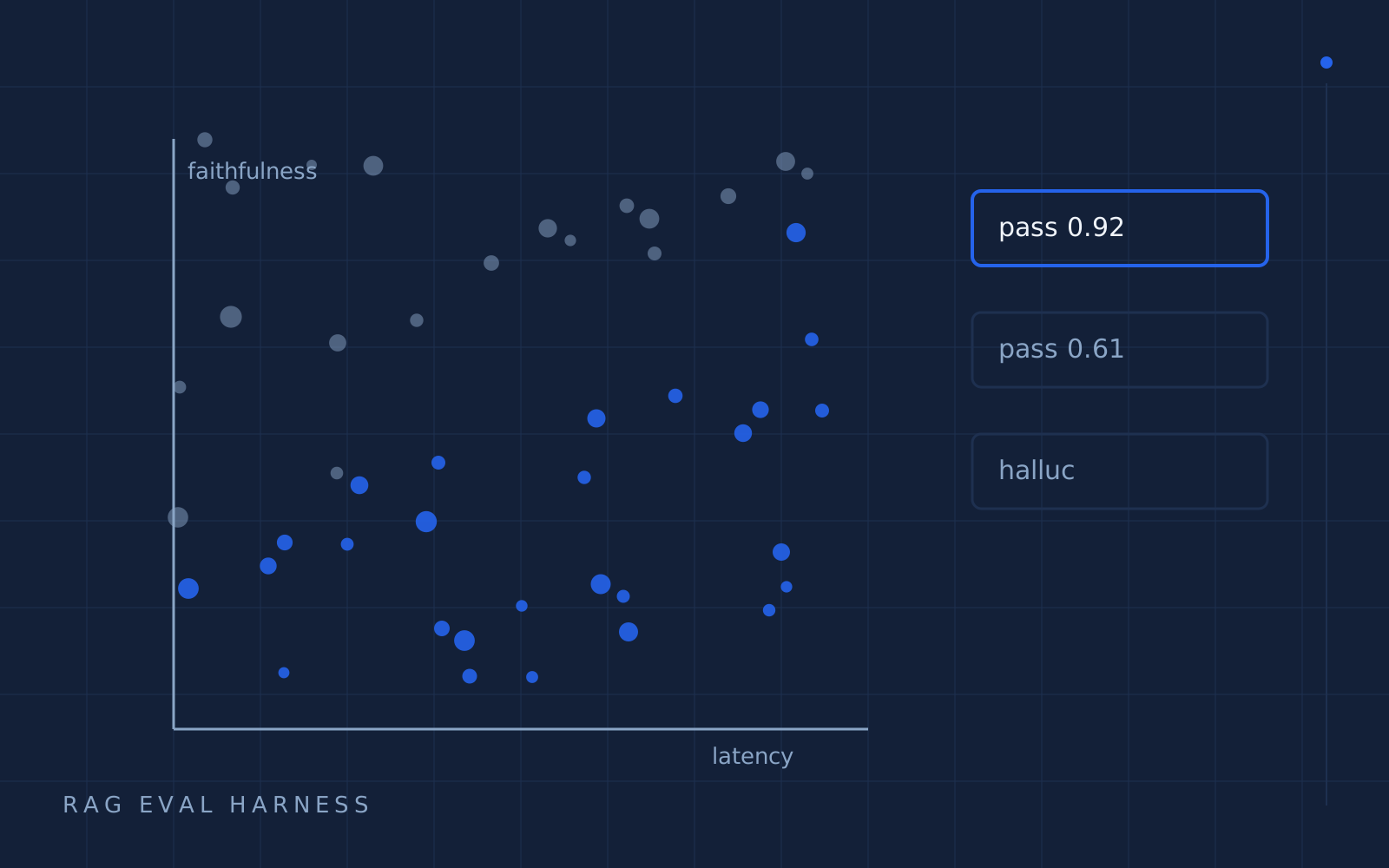
- quality axes tracked
- 12
- quality axes tracked
- faithfulness gate
- 0.92
- faithfulness gate
- golden answers
- 400+
- golden answers
Reactions
The fastest way to make a RAG product worse is to make it look better. A hand-tuned prompt wins the demo, ships, and quietly degrades answers nobody was reading closely. This harness exists because I stopped trusting my own eyes.
The gauntlet
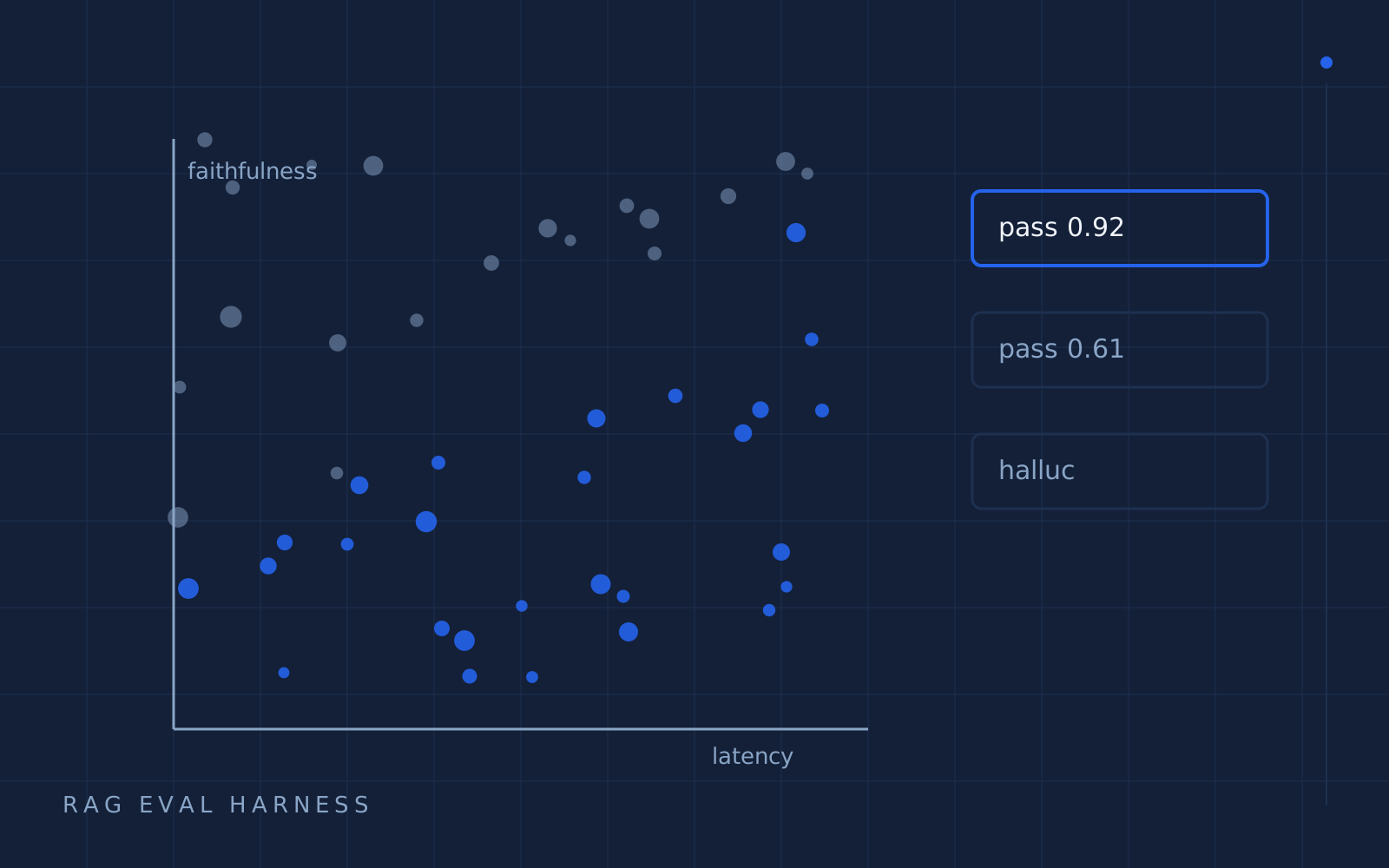
A golden set of 400+ question/answer pairs — real questions from real deployment, written by the humans who used the product — runs against every change on twelve axes. The two that gate merges:
def gate(run: EvalRun) -> bool:
    return (
        run.faithfulness >= 0.92          # answers stay grounded in retrieved context
        and run.answer_relevance >= 0.85  # answers address the question asked
        and run.regression_count == 0     # nothing that passed last week fails today
    )
What changed after the harness
| Before | After | | --- | --- | | "The demo looked good" | "0 regressions, faithfulness +0.03" | | Bug reports became arguments | Bug reports became golden questions | | Prompt edits were vibes | Prompt edits were PRs with scores attached | | Silent drift | Weekly scorecard history |
The lesson I keep re-learning
Evaluation is not a phase — it is the product's immune system. You design the body and the immune system together, or the first real-world week designs it for you, badly.
The harness is written as a small, boring Python package — the kind you can drop beside any retrieval stack. It's on GitHub once the first public cut lands; in the meantime, ask me about it and I'll walk you through the ugliest graphs.
Related work

ServiceMenu
Interactive service pages for service businesses — built without code, shipped on real URLs.
Next.js / TypeScript / PostgreSQL / Tailwind CSS / Stripe
CollectKit
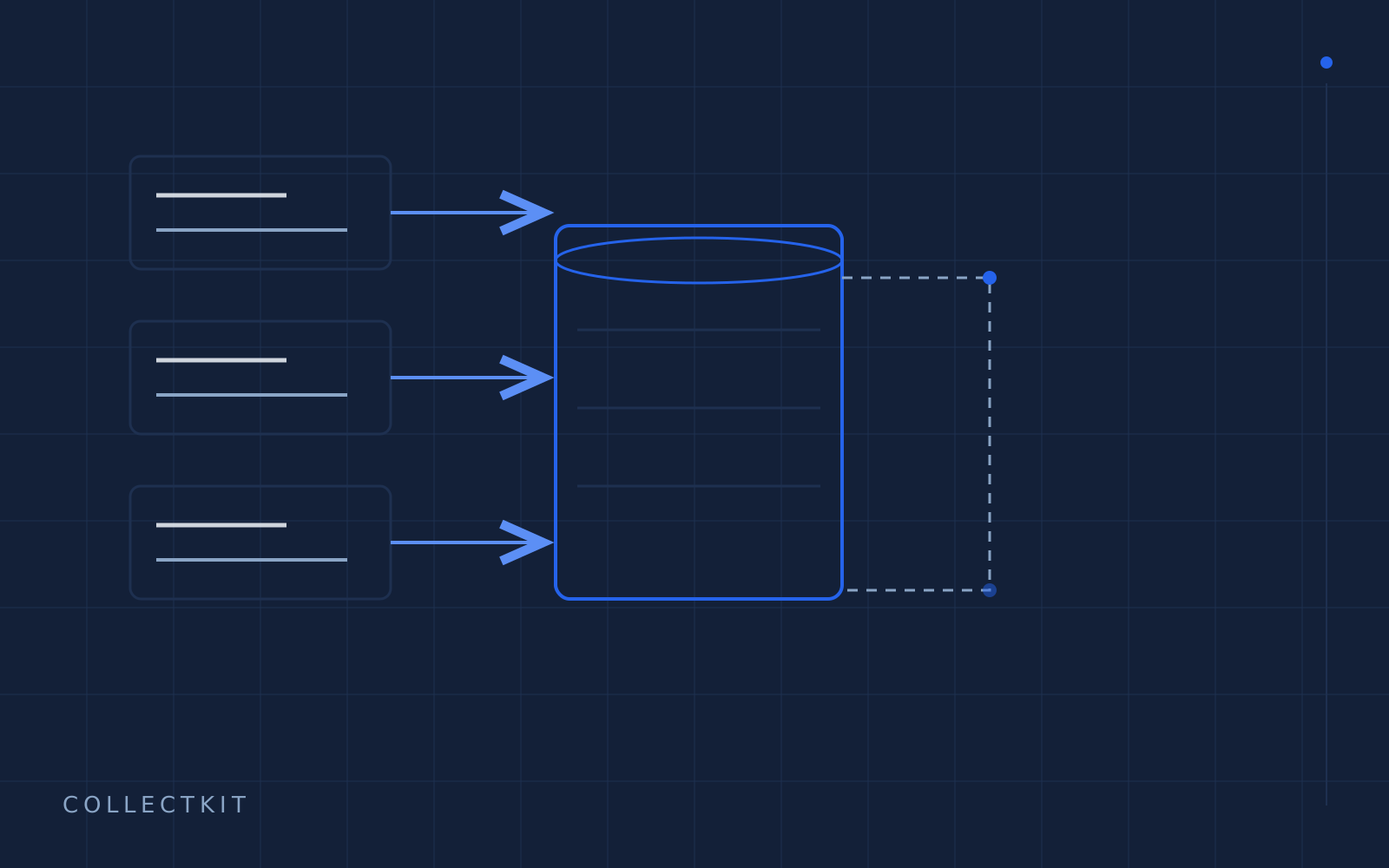
Field data collection that works where the signal doesn't — offline-first capture, typed schemas, instant sync.
Expo / React Native / FastAPI / PostgreSQL / PostGIS